

“`json
{
“title”: “Coaching the Cold: Alaska’s Unique Training Methods That Develop Tougher Soccer Players”,
“slug”: “coaching-the-cold-alaska-soccer-training-methods”,
“excerpt”: “Alaska youth soccer programs use indoor domes, certified coaching standards and statewide development pathways to train players through long winters and extreme weather conditions.”,
“meta_description”: “Alaska soccer programs adapt to extreme cold with indoor domes, certified coaches and statewide development pathways for youth players.”,
“content_html”: “
Youth soccer players across Alaska continue training through months of subfreezing temperatures and limited daylight, relying on a network of indoor facilities, certified coaching and statewide development programs organized by the Alaska Youth Soccer Association, the official US Youth Soccer state association, which offers year-round programming despite the state’s geographic and weather challenges, according to US Soccer Parent.
The state’s approach to developing players begins with structured identification and training programs that operate regardless of season. The Alaska Development Program, an umbrella initiative run by Alaska Youth Soccer, offers statewide high-level training opportunities that identify a pool of exceptional players, providing development and enhanced competitive experiences for players across the state, according to Alaska Youth Soccer.
That program extends beyond Alaska’s borders. The state’s Olympic Development Program hosts a yearly Sub-Regional Residential Camp with West Region Team Coaches and participates in out-of-state tournaments, giving Alaska players advancement opportunities beyond the state level, according to Alaska Youth Soccer. The arrangement allows players training in one of the coldest climates in the country to compete against athletes from warmer regions and gain exposure to coaches evaluating talent for regional and national pools.
Cold-Weather Guidance for Coaches
National governing bodies have taken note of the specific demands placed on athletes training in Alaska’s climate. U.S. Soccer’s Recognize to Recover program prepared a specific guide for coaches, referees and players training or playing in colder climates, noting that the definition of cold stress varies depending on how accustomed athletes are to cold weather, according to Recognize to Recover. The guidance underscores that what constitutes dangerous cold for a player in a temperate region may differ substantially from the threshold for an athlete who trains outdoors in Alaska on a regular basis.

Indoor Facilities Keep Training Alive
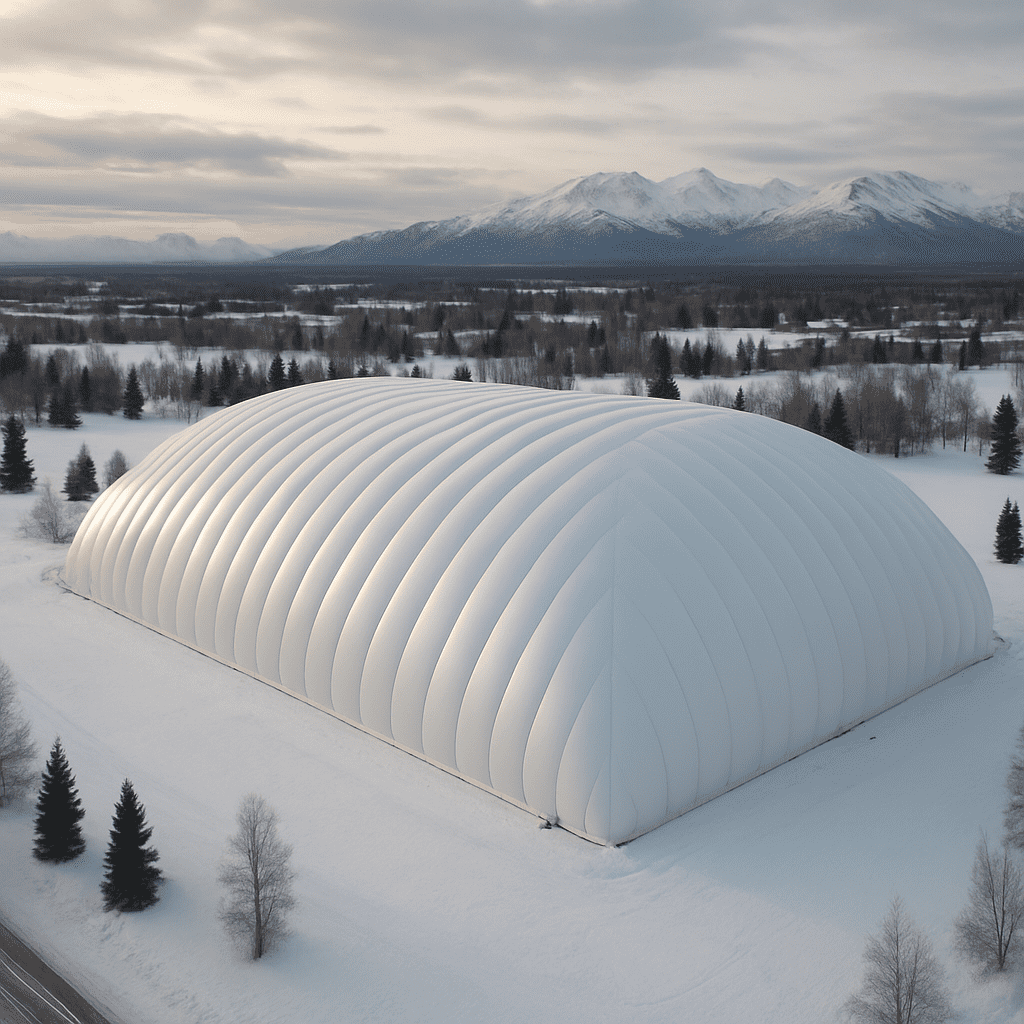
To manage winter conditions that make outdoor play impractical for much of the year, Alaska soccer organizations have turned to large indoor facilities. The Dome in Anchorage, described as the largest indoor sport dome in Alaska, provides year-round, climate-controlled facilities including a full soccer pitch, a 400-meter track and practice fields for training through the winter, according to Yeadon Domes.
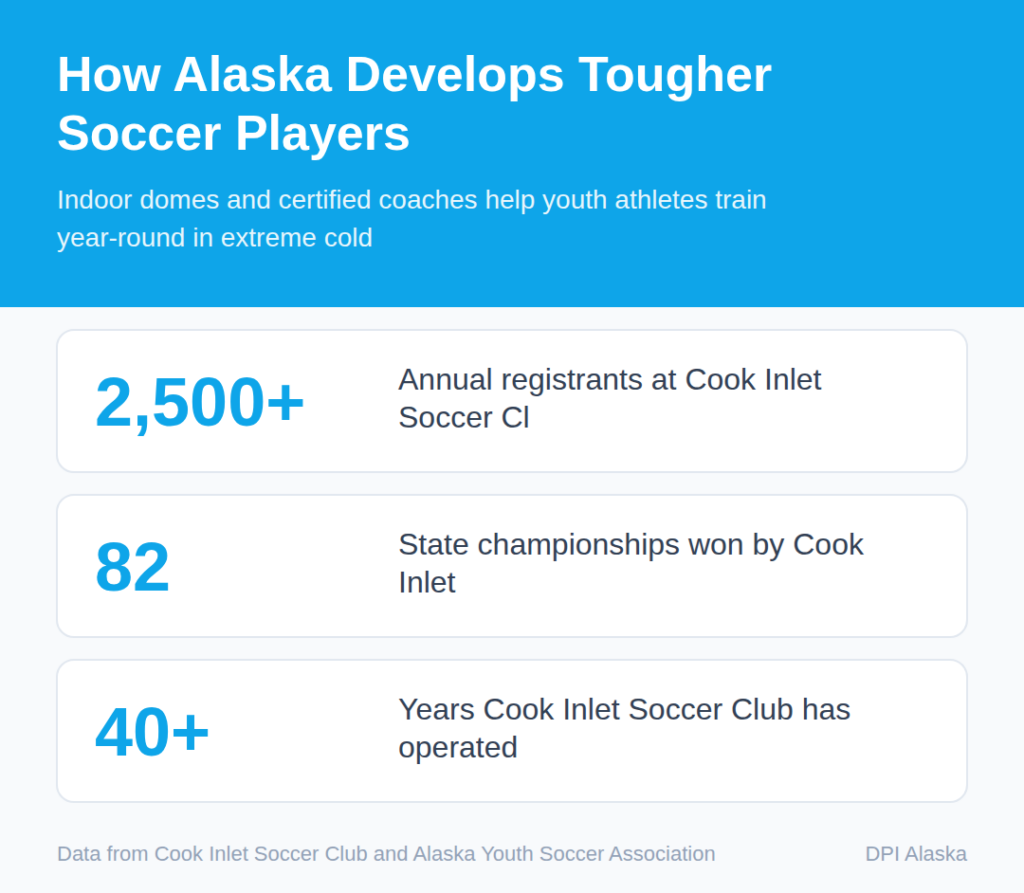
Local clubs have built their programming around access to that space. Cook Inlet Soccer Club, founded more than 40 years ago, has grown into the largest youth soccer club in Anchorage with over 2,500 annual registrants and has won more than 82 state championships, according to Cook Inlet Soccer Club. The club’s recreational program is the only one in Anchorage that plays in The Dome during the fall and winter months, allowing training to continue despite harsh weather, according to Cook Inlet Soccer Club.
Recruitment and Coaching Standards
The state’s competitive club structure has also drawn attention from college programs looking to evaluate talent developed under Alaska’s conditions. Alaska Rush’s competitive club program brings college coaches and scouts from programs such as Northern Arizona, Seattle University, Oregon State and San Diego State to evaluate players in Alaska’s own competitive environment, according to Alaska Rush. The arrangement gives recruiters a direct look at players without requiring Alaska athletes to travel south for exposure events.

Behind those programs, oversight of who is permitted to coach in Alaska’s school system adds another layer of structure to how players are developed. The Alaska School Activities Association requires soccer coaches to be certified prior to their season through the Alaska Coaches Education Program before they can lead high school teams, according to the Alaska School Activities Association. The certification requirement applies statewide, regardless of the size or location of a school’s program.
A System Built Around the Climate
Taken together, the combination of indoor facilities, statewide identification programs, cold-weather safety guidance and coaching certification requirements forms the backbone of how soccer is taught and played in Alaska. Programs such as the Alaska Development Program and Cook Inlet Soccer Club rely on The Dome and similar facilities to keep players on the field through winter months when outdoor training would otherwise be impossible, according to Alaska Youth Soccer and Cook Inlet Soccer Club.

For families and players navigating the sport in Alaska, the structure reflects a system built specifically around the state’s climate rather than in spite of it. Organizations from the Alaska Youth Soccer Association to individual clubs like Alaska Rush have established pathways that allow players to train consistently, gain exposure to out-of-state competition and connect with college recruiters, according to US Soccer Parent and Alaska Rush.
”
}
“`
Sources
- Alaska – US Soccer Parent
- The Olympic Development Program – Alaska Youth Soccer
- The Olympic Development Program – Alaska Youth Soccer
- Environmental Conditions — Recognize to Recover
- The Dome: Anchorage | The Largest Indoor Sport Dome in Alaska
- About – Cook Inlet Soccer
- About – Cook Inlet Soccer
- Competitive | Alaska Rush
- Soccer Coaches – Alaska School Activities Association