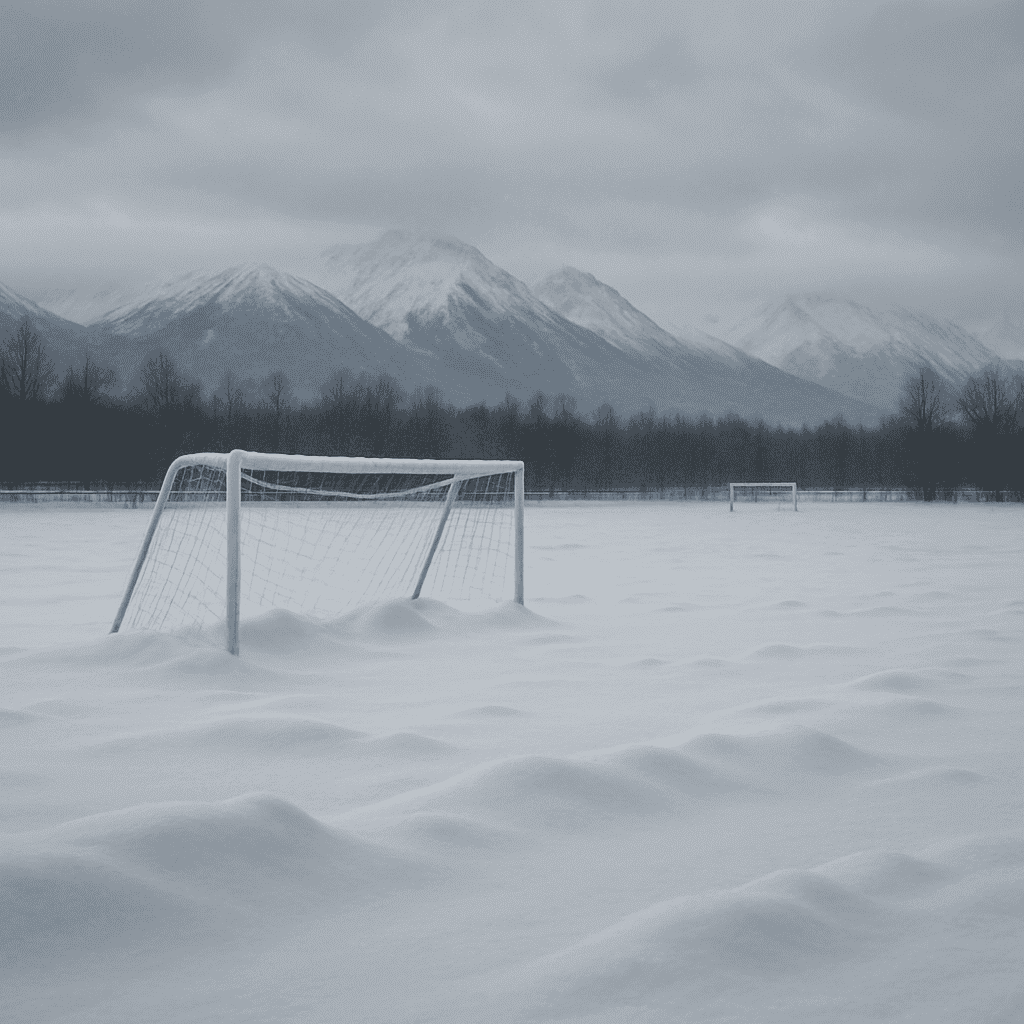
Alaska high school soccer programs operate under conditions unlike those faced by teams in most other states, with a compressed outdoor season, limited daylight and, in many communities, a lack of large indoor facilities built specifically for the sport. Coaches and athletic administrators across the state have had to find ways to keep players training and competing during months when snow and ice make traditional outdoor fields unusable.
The core challenge is timing. Alaska’s high school soccer season is scheduled for a narrower window than in warmer states, and even within that window, coaches often contend with cold temperatures, wind and unpredictable precipitation. Because of this, many programs plan their practice schedules around whatever daylight and field access is available, sometimes shifting workouts earlier or later in the day depending on conditions.
Finding Indoor Space
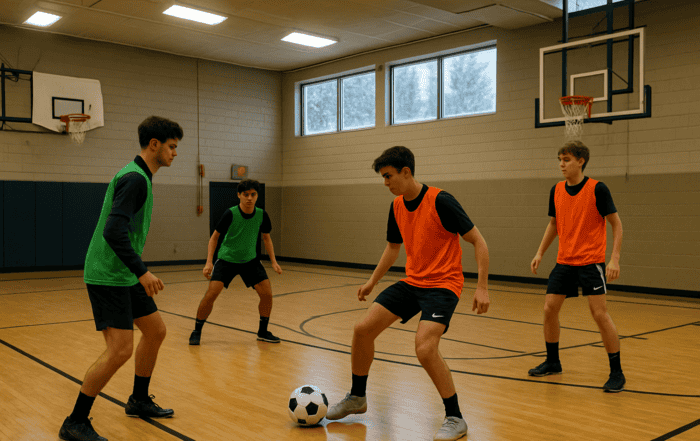
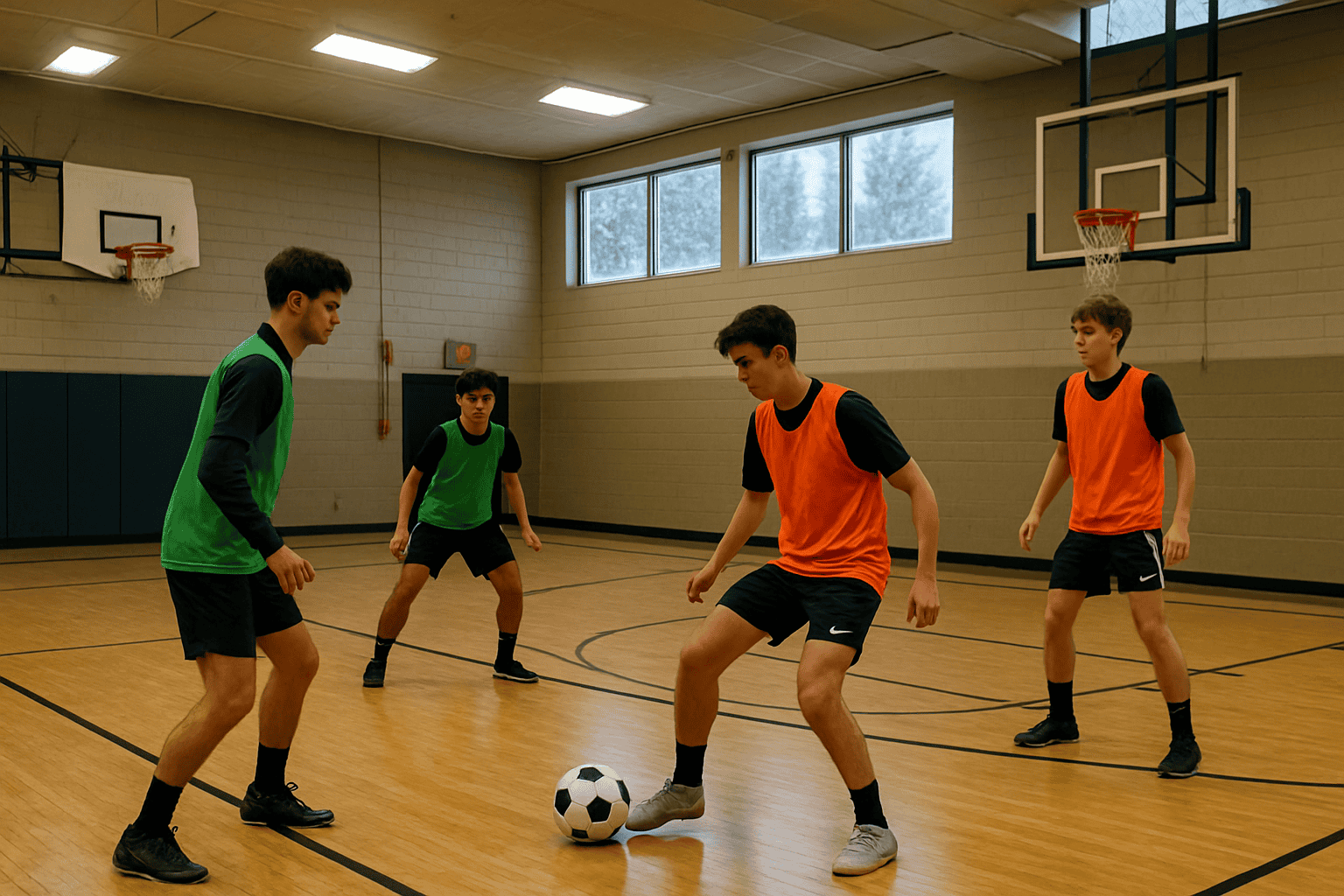
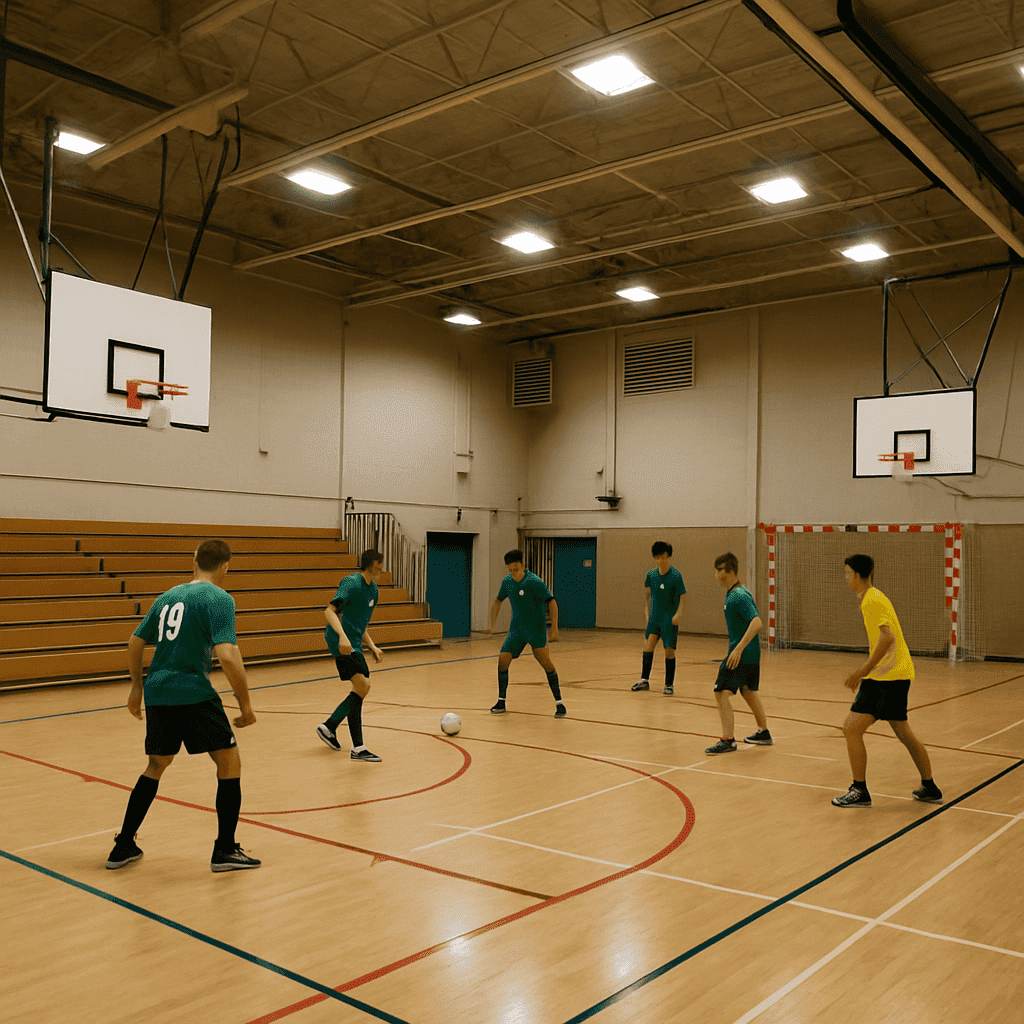
When outdoor fields are not usable, teams look for alternative venues. Gymnasiums, field houses and community recreation centers become substitute training grounds, though these spaces are typically smaller than a regulation soccer field and were not designed with soccer in mind. Coaches often have to modify drills to fit within basketball court dimensions or shared gym space, focusing on technical skill work, passing sequences and small-sided games rather than full-field tactics.
This need for adaptable space means scheduling can become a logistical exercise. Soccer teams frequently share gymnasiums with other school sports, requiring coordination among athletic departments to secure practice times. In smaller communities with fewer facilities, this competition for indoor space can be more pronounced than in larger cities with multiple recreational venues.

Adjusting the Style of Play
Playing in confined indoor spaces changes the nature of the game itself. With less room to spread out, teams tend to emphasize quick touches, close control and tight passing combinations over the long-range running and wide formations common on a full outdoor pitch. Some coaches use indoor sessions specifically to work on ball control and decision-making in tight spaces, treating the constrained environment as a training opportunity rather than simply a limitation.
Futsal-style rules or modified small-sided formats are common in these indoor settings, since a regulation 11-a-side game is generally impractical in a gymnasium. Depending on the space available, teams may play with fewer players per side, smaller goals or boundary rules adapted from the room’s existing markings, such as basketball court lines.
Travel and Scheduling Considerations
Beyond practice logistics, travel plays a significant role in how Alaska programs manage their seasons. Many high schools are located considerable distances from the nearest opponents, and winter weather can complicate travel by road or air. Athletic departments often have to build flexibility into their schedules to account for the possibility of postponed or rescheduled contests due to storms or hazardous road conditions.
Because outdoor conditions can shift quickly, some programs keep contingency plans in place for moving practices or even games indoors on short notice. This requires ongoing communication between coaching staff and facility managers to make sure gym time or alternative space is available when needed.
Equipment and Preparation
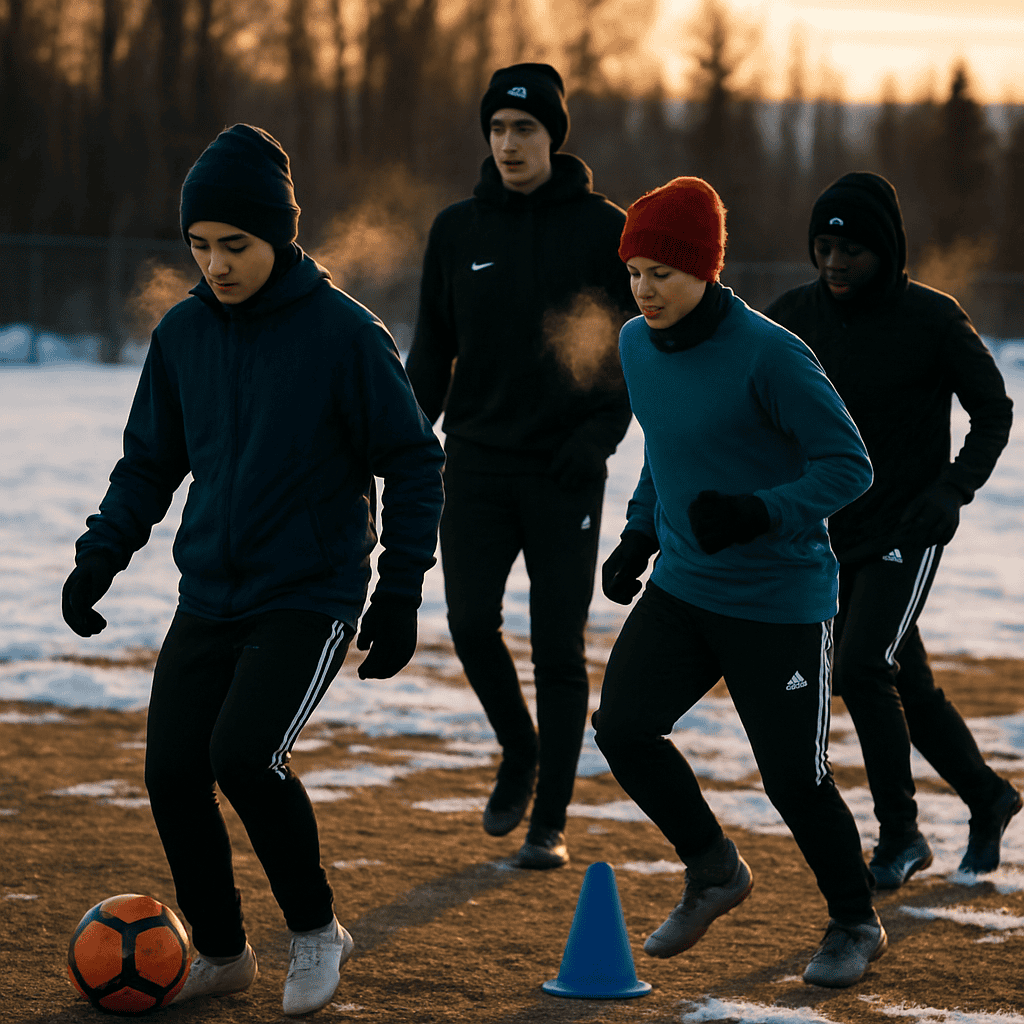
Cold-weather practice, when it does occur outdoors, requires attention to player safety and appropriate gear. Layered clothing, proper footwear for icy or uneven surfaces, and shortened outdoor sessions in extreme cold are common precautions coaches take when conditions allow for any outdoor training at all. When temperatures or daylight make outdoor work impractical, indoor training becomes the primary option for maintaining conditioning and technical development during the winter months.
The result is a version of high school soccer shaped as much by geography and climate as by strategy. Programs across Alaska have developed their own approaches to balancing available facilities, travel demands and player development, with each school’s solution often reflecting the specific resources and community infrastructure it has access to.
Looking Ahead
As with many aspects of scholastic athletics in the state, the way Alaska schools handle winter soccer training continues to depend on local facilities and administrative coordination rather than a single statewide model. Coaches and athletic directors generally work within the constraints of their communities, adjusting practice locations, formats and schedules as conditions require throughout the season.