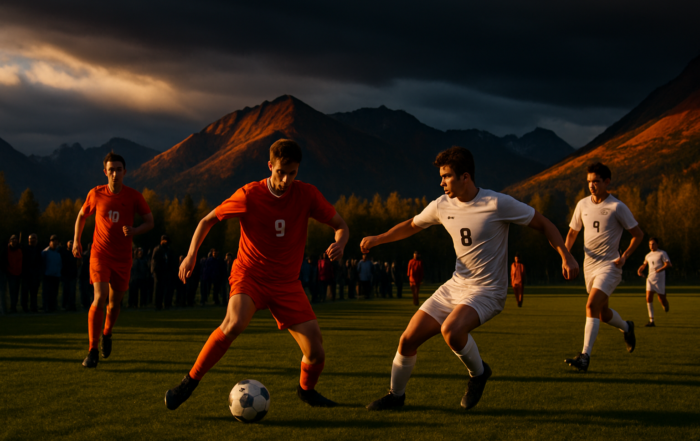
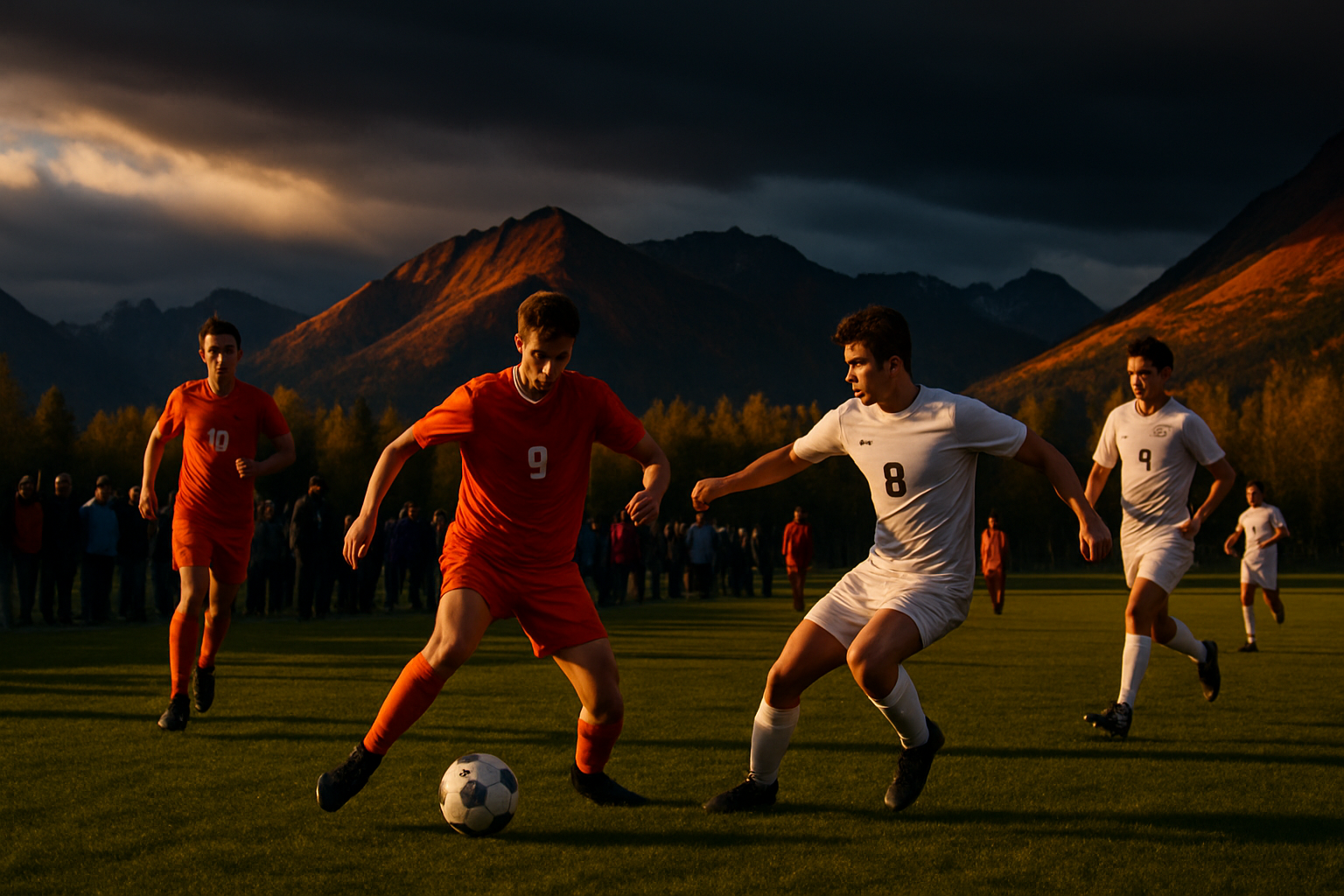
As daylight hours shorten across Alaska each fall, high school soccer fields from Anchorage to Juneau become gathering points for communities watching longstanding rivalries play out. The sport, contested during a compressed autumn season shaped by the state’s northern latitude and shifting weather, has become a fixture of the school year for many districts.
A Short Season Under Changing Skies
Alaska’s high school soccer season runs in the fall, a scheduling choice tied to the state’s climate and the practical realities of daylight and field conditions. Teams typically begin practices in August and compete through the fall months before the season concludes ahead of winter’s onset. That compressed window means every match can carry added weight for teams jockeying for regional seeding and postseason qualification.
Rivalries Rooted in Geography
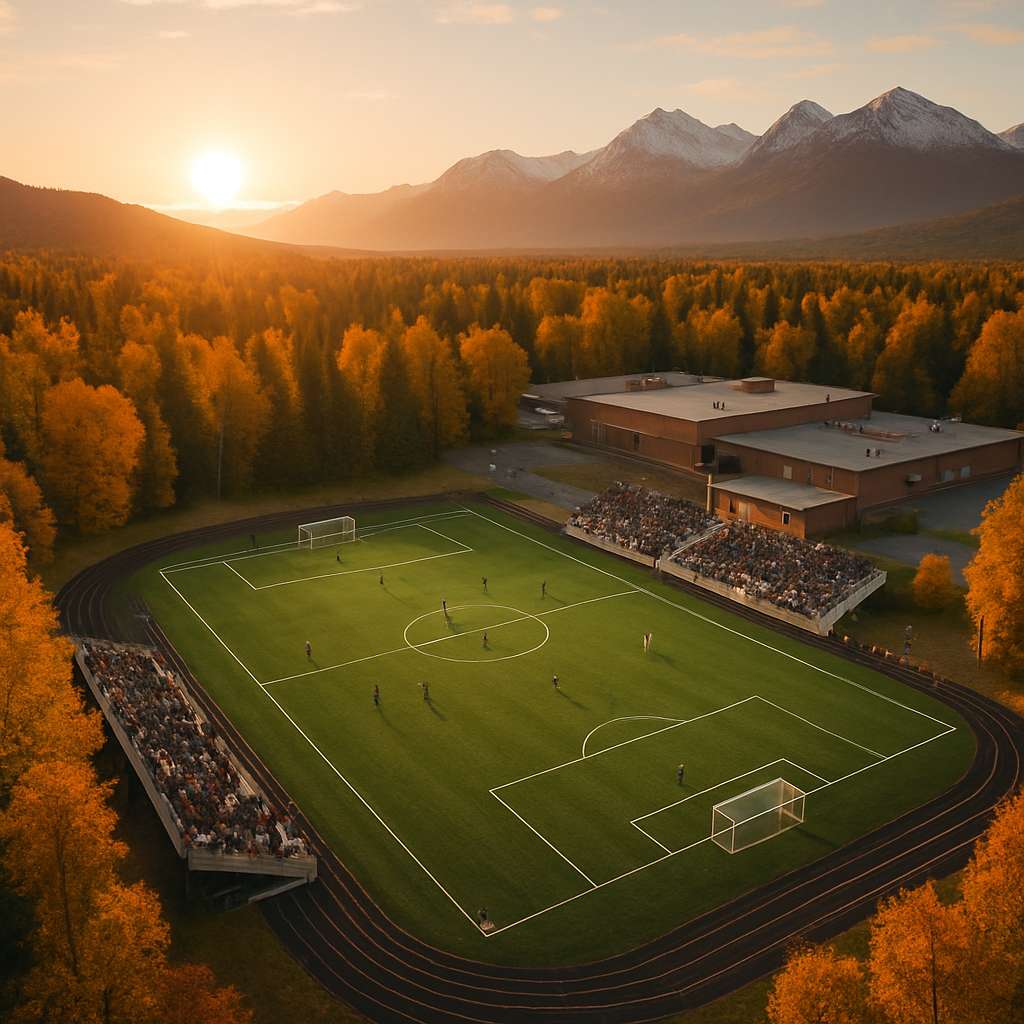
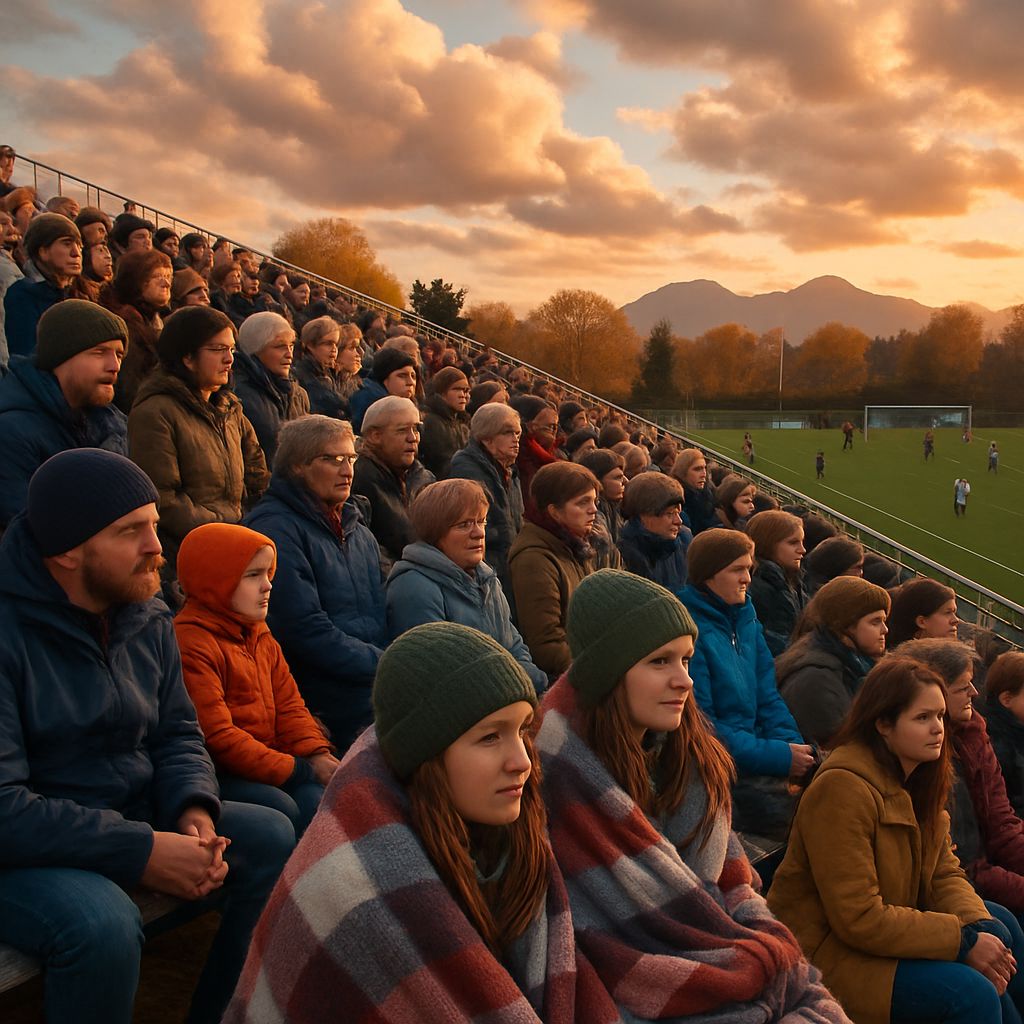
Many of the state’s most closely watched matchups occur between schools within the same city or region, where travel logistics are simpler and where students, families and alumni have decades of shared history. In Alaska’s largest population centers, cross-town matchups between rival high schools often draw larger crowds than regular-season contests against out-of-region opponents, reflecting the community investment that builds around programs with long track records of competing against one another.
Outside the state’s urban hubs, travel remains a defining feature of high school athletics generally, and soccer is no exception. Programs in smaller communities frequently must fly or drive significant distances to face conference opponents, a reality that shapes scheduling and adds significance to the handful of head-to-head meetings a rivalry might produce in a given season.
Community Investment in Fall Athletics
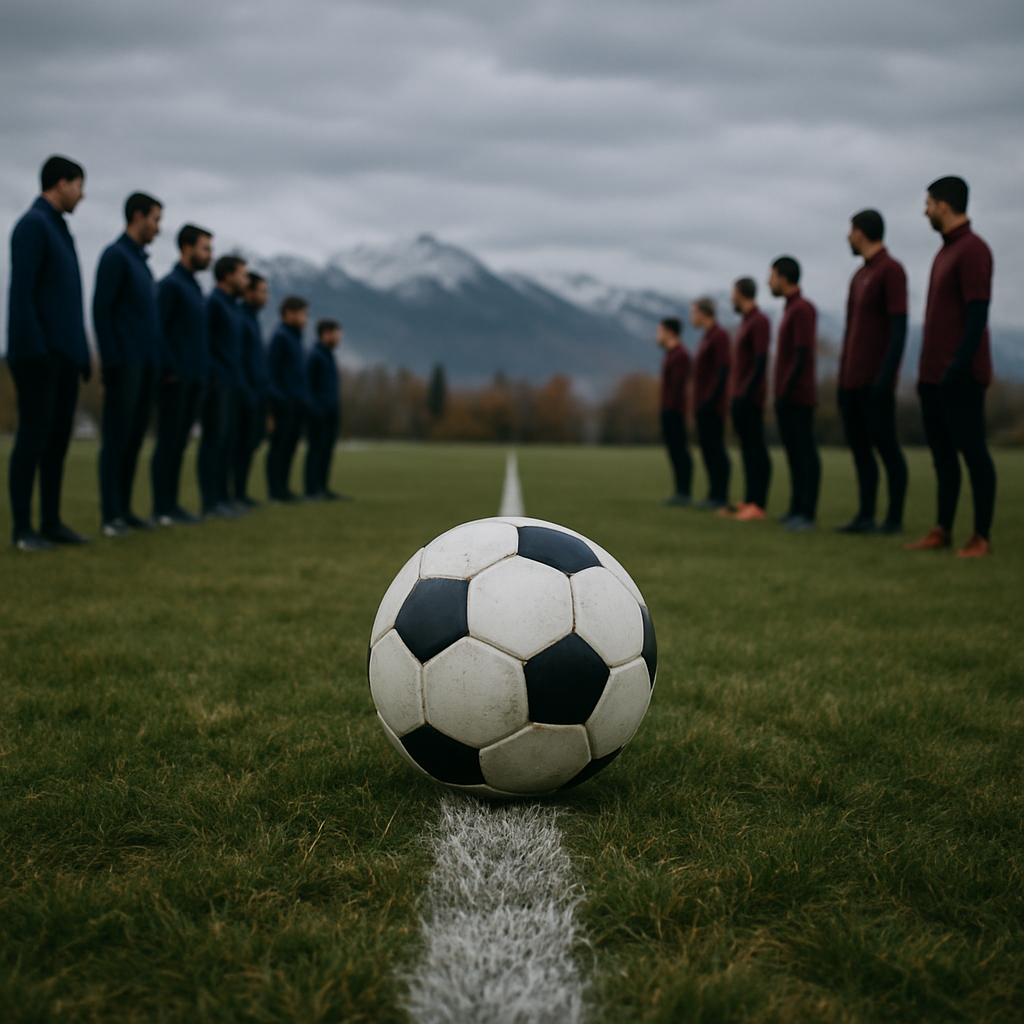
Soccer’s place in Alaska’s autumn sports landscape sits alongside other fall offerings such as cross country and volleyball, all of which compete for attention on school calendars before winter sports take over gymnasiums and rinks. For many communities, the fall soccer season represents one of the last outdoor athletic showcases before snow and cold curtail outdoor competition, giving matchups between rival programs an added sense of occasion.
School administrators and athletic directors across the state have long balanced the demands of a short season with the desire to preserve traditional rivalry matchups on the schedule, often positioning marquee games near the end of the regular season when postseason implications are clearest. That scheduling approach tends to heighten local interest, particularly in communities where a single high school soccer program has represented the town for generations.
Building Toward the Postseason
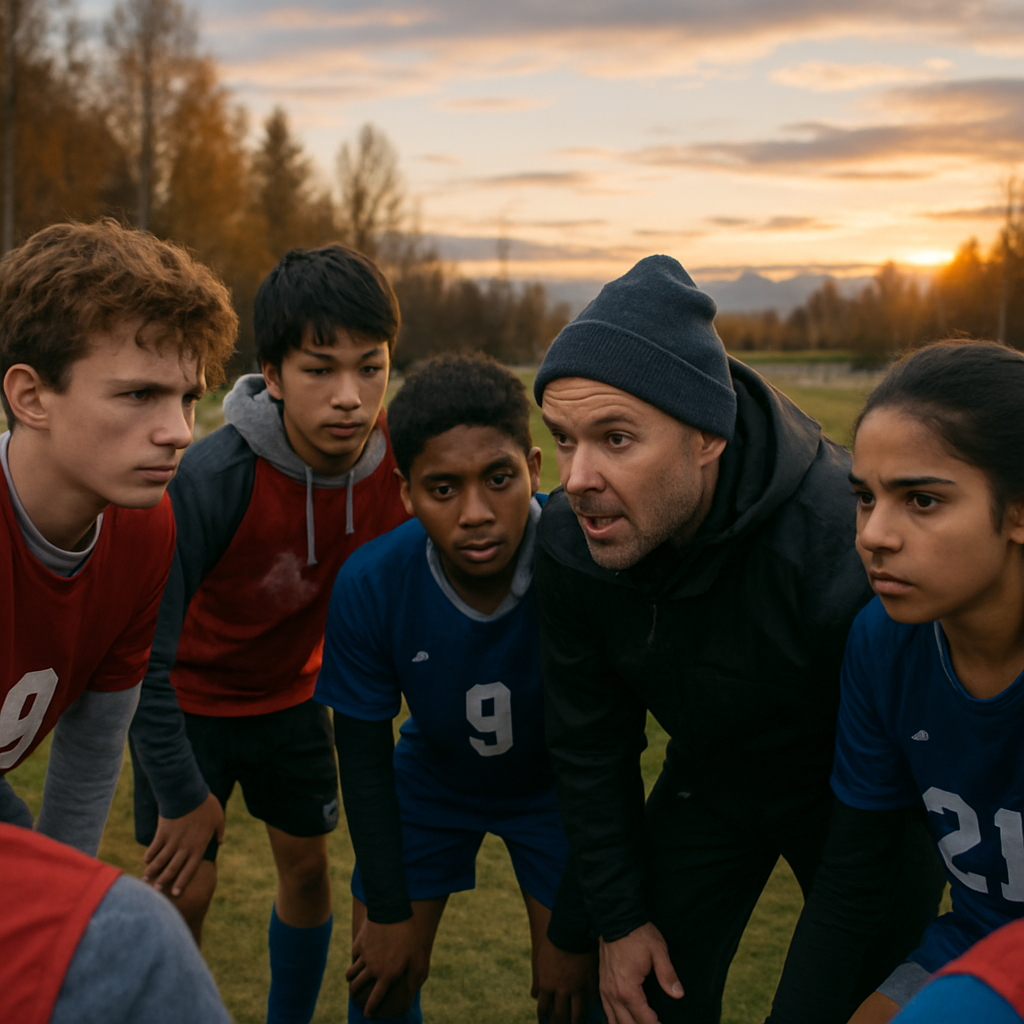
Regular-season rivalry games often carry consequences beyond bragging rights, as results factor into regional standings and seeding for state tournament play. Coaches and players frequently point to these contests as measuring points for team development heading into the postseason, when the stakes of a single match are magnified by single-elimination formats common to high school tournament structures.
For younger players moving up through a program, rivalry week can also serve as an introduction to the expectations and traditions that surround a school’s soccer identity, with senior players and coaching staff often emphasizing the history behind a particular matchup as part of preparing a roster for the game.
A Fixture of the Fall Calendar
As Alaska’s fall sports season progresses each year, rivalry matchups in soccer remain among the events most anticipated by students and families connected to participating schools. While the season itself is brief relative to programs in other states, the concentration of games into a few short months has, over time, reinforced the significance placed on rivalry contests, with communities continuing to treat them as annual markers of the changing season.
As the fall campaign winds down and teams turn their attention to postseason tournaments, the rivalries built over years of competition continue to shape how communities across the state experience high school soccer, from the sidelines of cross-town matchups to the travel-heavy schedules of smaller districts working to keep the sport competitive statewide.