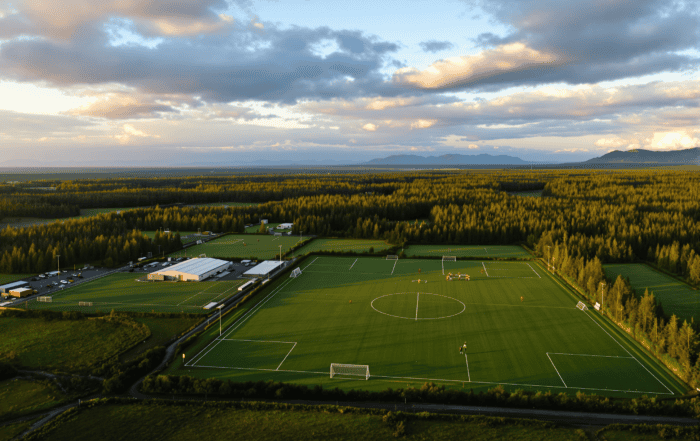

Futsal programs have expanded across Alaska youth soccer clubs in recent years, with the Alaska Youth Soccer Association’s Anchorage Youth Soccer Club running a league for six years, with seasons stretching from September to May and games played on courts at the O’Malley Sports Center in Anchorage, according to a report from the association’s member reports (Alaska Youth Soccer).
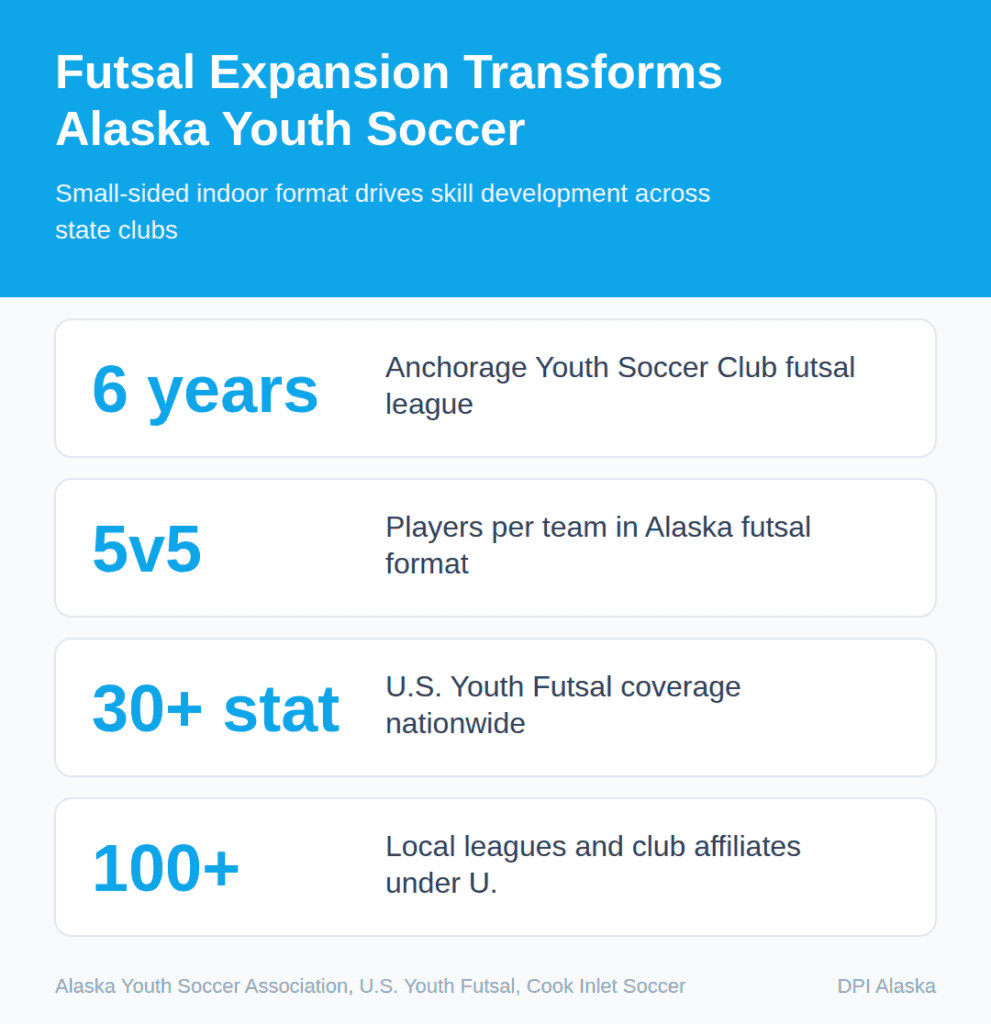
The growth reflects a broader push by the Alaska Youth Soccer Association, which listed starting a statewide futsal league, along with providing coaching and referee training, as a key initiative in its efforts to develop what the organization calls world-class players, according to a report from the association’s president of the board of directors (Alaska Youth Soccer Association).

What Futsal Looks Like on the Court
Futsal in Alaska is played between two teams of five players each, including a goalkeeper, on a hard court surface delimited by lines rather than walls, with unlimited substitutions permitted, according to Team Alaska (Team Alaska). The format differs from traditional walled indoor soccer, which some coaching organizations say can hinder technical development.
A youth soccer coaching organization in Texas has said futsal is superior to walled indoor soccer for developing skill and technique, arguing that traditional walled play encourages players to whack the ball off the boards, which promotes improper technique, according to Pflugerville FC and PAYSL (Pflugerville FC and PAYSL).

Skill Development Cited as Key Benefit
Alaska Youth Soccer describes its indoor and futsal-style league as a strong skill-developer that demands quick reflexes and precise passing, noting that the smaller court size keeps all players constantly involved in play and helps them develop close control, quick decision-making, speed and agility, according to the organization (Alaska Youth Soccer).
Those developmental claims align with observations made nationally. U.S. Youth Soccer has noted that futsal has been recognized throughout the world as a preferred off-season format to encourage player development, in addition to functioning as a stand-alone sport with professional leagues on multiple continents, according to the national governing body (US Youth Soccer).
Clubs Statewide Add Programs
The expansion is not limited to Anchorage. Multiple Alaska Youth Soccer affiliate clubs across the state — including Anchorage Youth Soccer, Chugiak Soccer, Palmer Soccer Club and Homer United FC — now list futsal programs, clinics or leagues among their core offerings, according to the Alaska Youth Soccer Association’s list of affiliate clubs (Alaska Youth Soccer Association).

Cook Inlet Soccer Club, one of Alaska’s major competitive clubs, has its teams compete in the Alaska Youth Soccer Futsal League during the fall before moving into outdoor 7v7, 9v9 and 11v11 leagues from January through July, according to the club (Cook Inlet Soccer). The scheduling pattern places futsal squarely in the off-season window that national organizations have identified as ideal for the format.
Part of a National Trend
Alaska’s expansion mirrors developments elsewhere in the country. U.S. Youth Futsal, founded in 1994, has grown into the largest and fastest-growing futsal organization in the United States, overseeing more than 100 local leagues and club affiliates across more than 30 states, according to the organization (U.S. Youth Futsal).
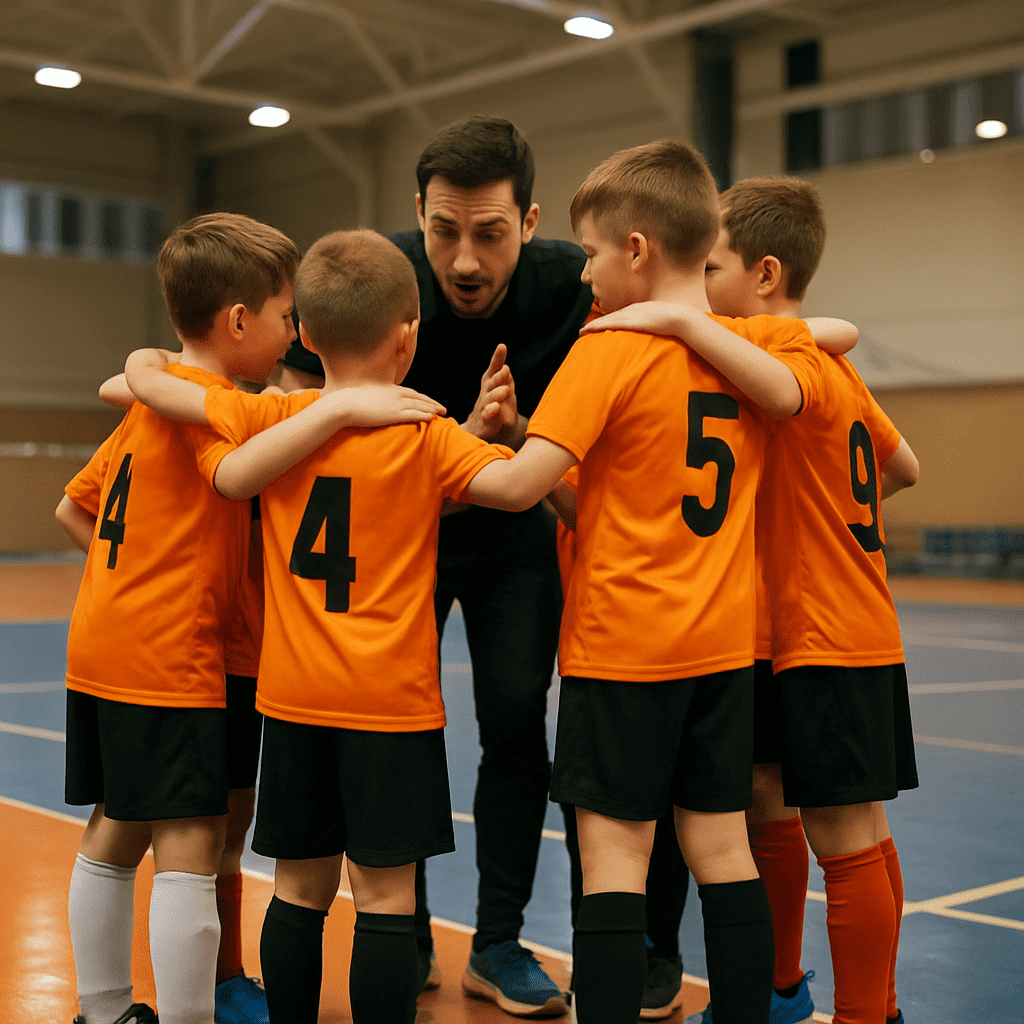
Small-sided games like futsal have become a major trend in U.S. player development, according to a soccer academy, which noted that such formats are now recognized by coaches, academies and professional clubs as essential developmental tools for young athletes rather than niche or recreational activities (SIA Academy).
Looking Ahead
For Alaska, where outdoor soccer seasons are constrained by weather and daylight, futsal has emerged as a way to keep players on the ball year-round. With the state association naming league expansion a formal priority and affiliate clubs from Anchorage to Homer adding programs, organizers say the small-sided format is positioned to remain a fixture of youth development across the state’s soccer landscape (Alaska Youth Soccer Association).
Sources
- NOTABLE HIGHLIGHTS – Alaska Youth Soccer
- Alaska Youth Soccer Association President of the Board of Directors
- The Alaska Indoor Soccer League – Alaska
- Futsal – Team Alaska
- Competitive – Cook Inlet Soccer
- Affiliate Clubs – Alaska Youth Soccer Association
- Futsal – US Youth Soccer
- About – US Youth Futsal
- How Beach Soccer and Futsal Are Shaping the Next Generation of US Players | SIA Academy
- How futsal can help your player's development — Pflugerville FC and PAYSL