

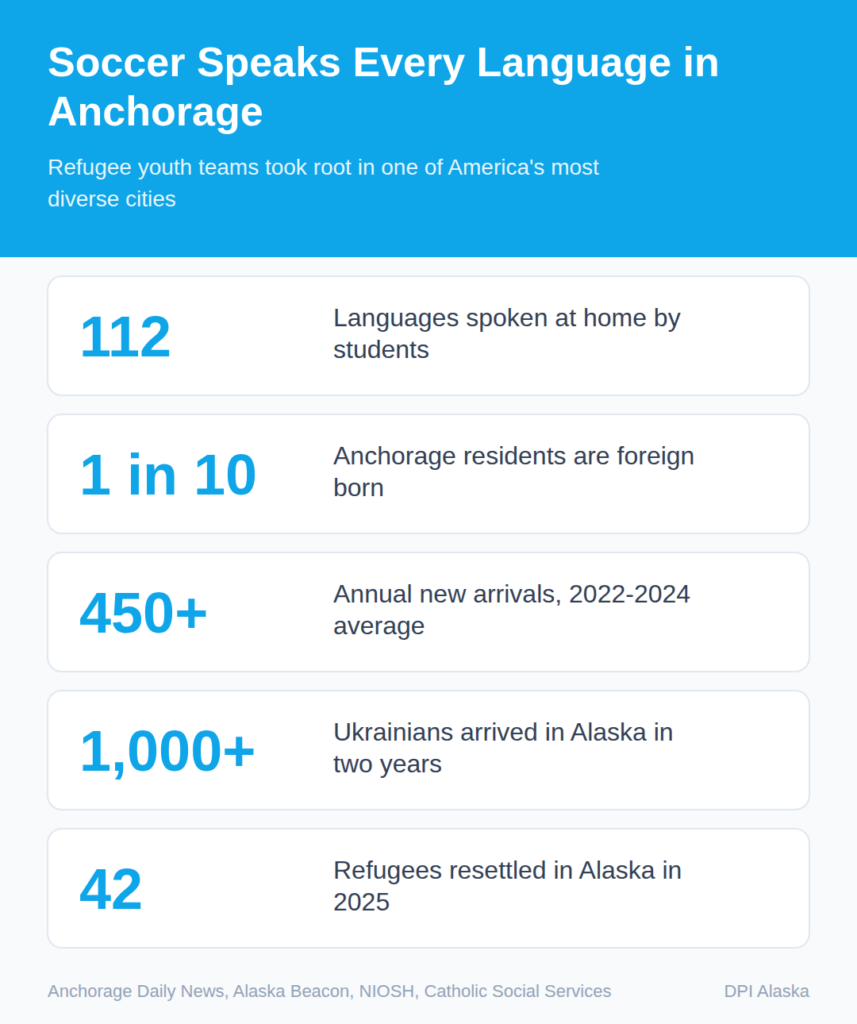
ANCHORAGE, Alaska — In a city where public school students speak a combined 112 languages at home, soccer has served for more than a decade as one of the first shared activities available to children arriving in Alaska as refugees, according to resettlement workers and news accounts of the programs.
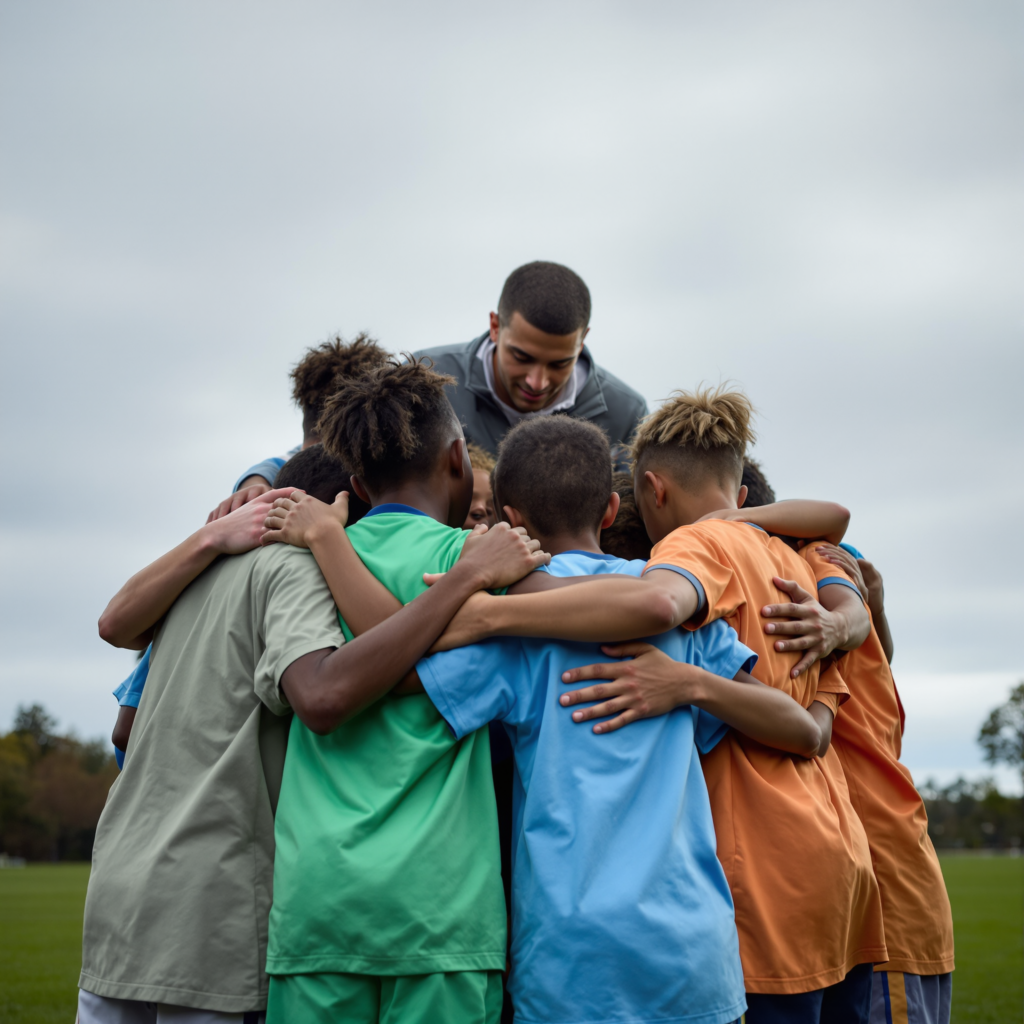
Catholic Social Services’ Refugee Assistance & Immigration Services program, known as RAIS, launched a summer soccer program for refugee children in Anchorage and deliberately kept the participants together on a single team spanning multiple age divisions and including both boys and girls, so the children would not have to constantly assimilate into unfamiliar groups. Program director Karen Ferguson said at the time that the children also need a chance to just be refugee kids, the Anchorage Daily News reported.
The team, known as the Fugees, included players who had arrived in Alaska from Somalia, Bhutan and Gambia. They were united by shared experience and a shared love of the game despite differences in language, culture and ethnicity, according to the same report.

From recreation league to high school rosters
For some players, the recreational team became a bridge to the rest of the city. Brothers Abdi and Abdallah Zirah struggled to integrate in Anchorage until they joined “AK Fugees,” a recreational league team run by Catholic Social Services, after which they began making friends and picking up English, the Anchorage Daily News reported in 2015.
At the time, Catholic Social Services’ refugee resettlement program was helping about 130 refugees settle in Anchorage each year, according to then-director Jessica Kovarik, the newspaper reported.
The Refugee Assistance & Immigration Services program is based at 4600 DeBarr Road in Anchorage, with additional offices in Delta Junction and Wasilla. The program describes its focus as economic self-sufficiency, community integration, and respect for unique cultures, history and traditions, according to the agency.
A diverse city
The soccer programs took root in a city that federal researchers have described as home to some of the most ethno-racially diverse neighborhoods and public schools in the United States. Nearly one in 10 Anchorage residents identifies as foreign born, and the school district has identified more than 100 languages spoken by English-language learners or their families, according to the National Institute for Occupational Safety and Health.
Students in the Anchorage School District speak a combined 112 languages at home, with Spanish, Samoan, Filipino and Hmong making up the largest speaker groups and close to 2,000 Spanish speakers. In 18 district schools, the student body collectively speaks 20 languages, the Anchorage Daily News reported in November 2024.
The Municipality of Anchorage’s language access planning documents state that more than 100 languages are spoken in the school district and that the city’s Mountain View neighborhood is the most diverse neighborhood in the nation, according to the 2018 plan. A demographer and sociology professor at the University of Alaska Anchorage identified Mountain View as America’s most diverse neighborhood and found that Anchorage ranks 30th out of 366 metropolitan areas for diversity, ranking second only to Honolulu in its biracial and multiracial population, UAA reported.
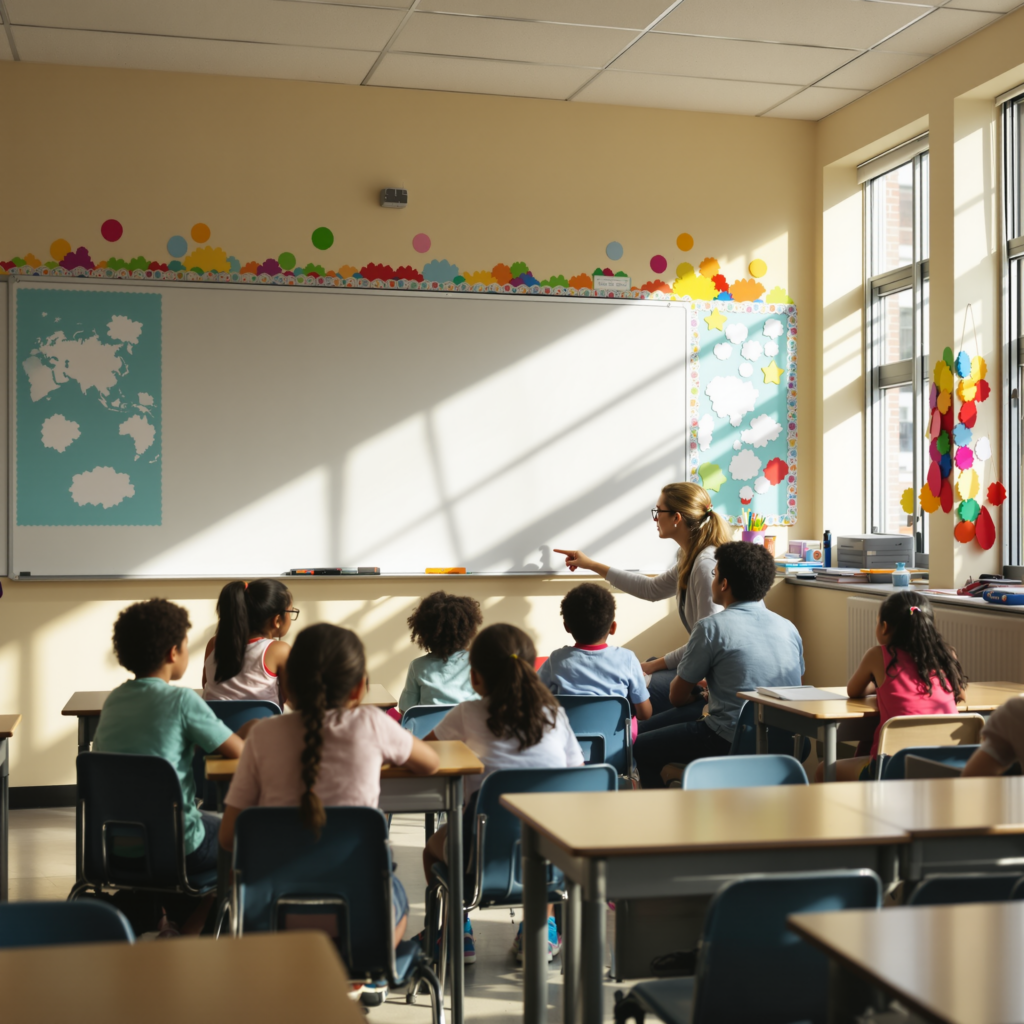
Schools have adapted alongside the sports programs. Anchorage’s Newcomers’ Center, housed at Wendler Middle School, opened in 1996 serving 11 students who were all Spanish speakers. By 2016, it served 87 students from more than 20 countries speaking more than 15 languages, Slate reported.
A shifting arrival picture
The population of newcomers feeding into those programs has changed substantially in recent years. Catholic Social Services estimated that just over 1,000 Ukrainians arrived in Alaska in the two years after Russia’s invasion of Ukraine, significantly changing the state’s refugee picture, the Alaska Beacon reported in March 2024.
Between 2022 and 2024, Alaska welcomed an annual average of more than 450 new arrivals through refugee and humanitarian programs, a trend largely driven by Ukrainians fleeing the war. Arrivals have since been reduced to a trickle amid the dismantling of the U.S. refugee resettlement program, the Anchorage Daily News reported.
Catholic Social Services reported that 42 refugees were resettled in Alaska in 2025, eight of them from South Africa, as federal refugee support services funding transitioned from the nonprofit to the new Alaska Office of Citizenship Assistance, Alaska’s News Source reported in January.
Where families play
Beyond formal resettlement services, refugee-run ethnic community-based organizations operate throughout Alaska to help various refugee communities integrate and succeed in their new homes, according to Refugee Council USA. Those groups have historically organized cultural events and recreation for their members.
For adults, Soccer Alaska, based in Anchorage, describes itself as Alaska’s largest adult soccer league, according to the organization.
The through line, as the players themselves described it a decade ago, is a sport that requires little translation. As the Anchorage Daily News put it in the headline of its 2015 report on prep soccer in the city, “The game’s a common language.”
Sources
- Kids who learned soccer in refugee camps team up here – Anchorage Daily News
- Kids who learned soccer in refugee camps team up here – Anchorage Daily News
- 'The game's a common language': Anchorage prep soccer teams reflect city's diversity – Anchorage Daily News
- 'The game's a common language': Anchorage prep soccer teams reflect city's diversity – Anchorage Daily News
- Spanish, Yup'ik, Lao and more: Anchorage School District students speak a combined 112 languages – Anchorage Daily News
- Partnering to Educate English-Language Learners in Alaska on Worker Safety and Health | NIOSH Blogs | CDC
- Language Access Plan 2018 – Municipality of Anchorage
- Data show Mountain View is most diverse neighborhood in America | University of Alaska Anchorage
- Alaska's stream of refugee arrivals has dropped to just a handful amid Trump administration dismantling – Anchorage Daily News
- Two years after Russia invaded Ukraine, Alaska's refugee picture looks wildly different | Alaska Beacon
- From nonprofit to state control: Refugee support funding moves to Alaska office
- Most School Districts Struggle to Help Refugees Adapt. How Did Anchorage Figure It Out? – Slate
- Refugee Assistance & Immigration Services – Catholic Social Services Alaska
- Refugee Population of Alaska – Refugee Council USA
- Soccer Alaska | Alaska's Largest Adult Soccer League