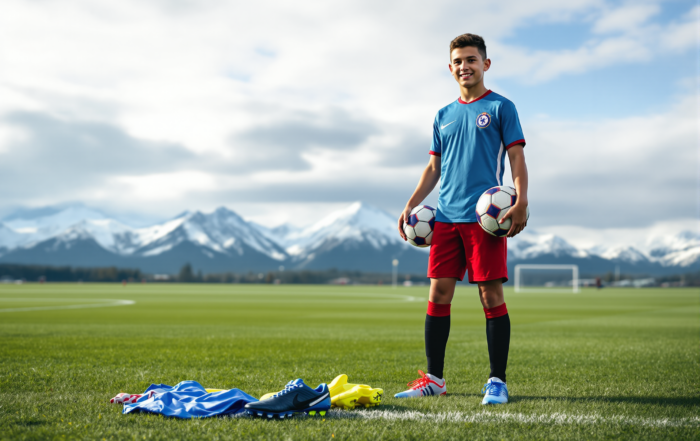
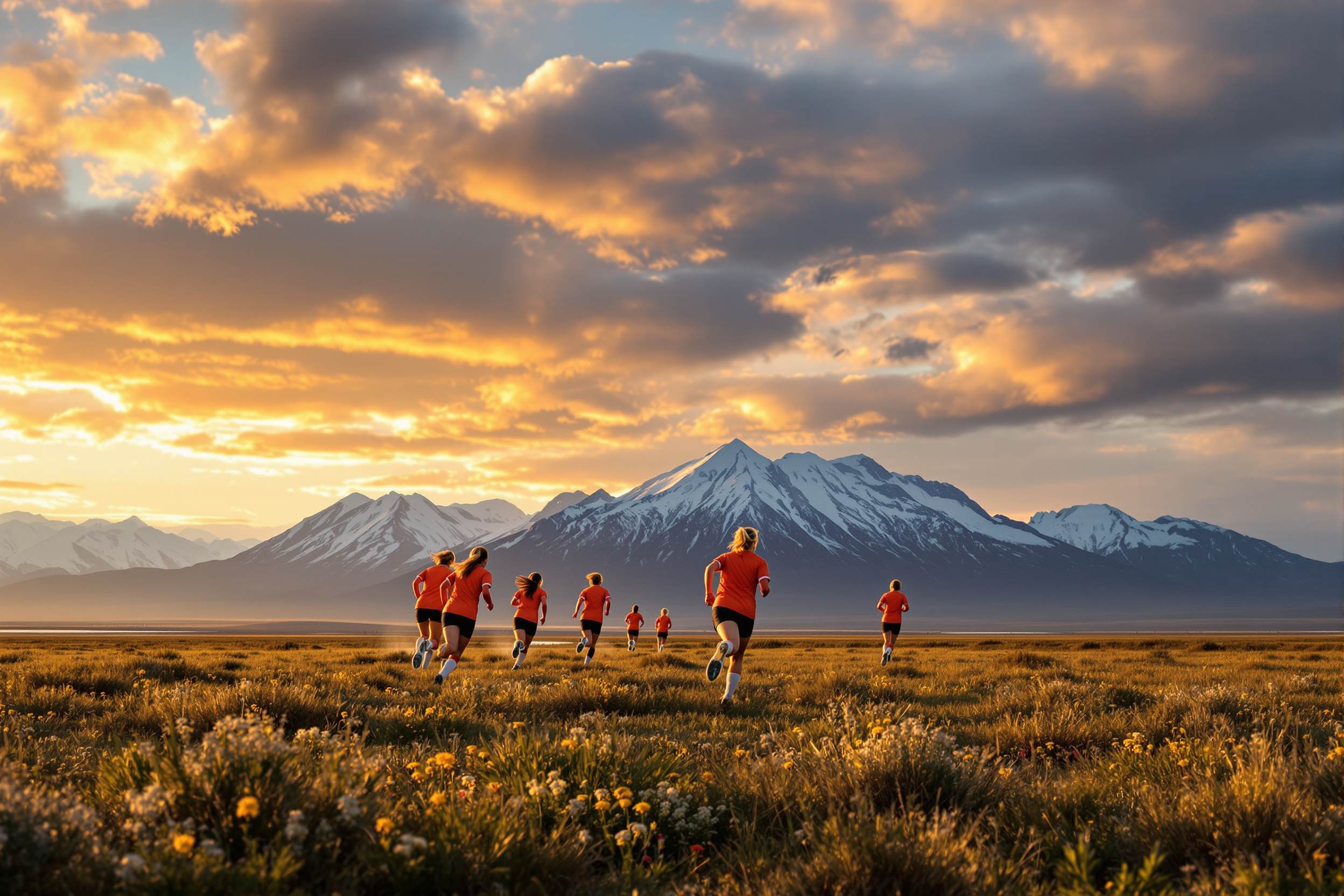
In rural Alaska, where many communities are not connected by road and where school enrollment can number in the dozens rather than the hundreds, building a girls’ soccer program often starts with a question as basic as where to play. School administrators and coaches in the state’s smaller districts say the sport has grown in recent years even as many villages lack a regulation-size field, indoor gym space large enough for full-sided play, or a stable pool of trained officials.
Soccer has become one of the more accessible team sports for rural schools to introduce, coaches say, because it requires less specialized equipment than some other sports. But accessibility on paper does not always translate into accessibility on the ground. Communities off the road system depend on air travel for nearly all interscholastic competition, and that reality shapes nearly every decision a small school makes about whether to field a team.
Travel Costs Shape Scheduling
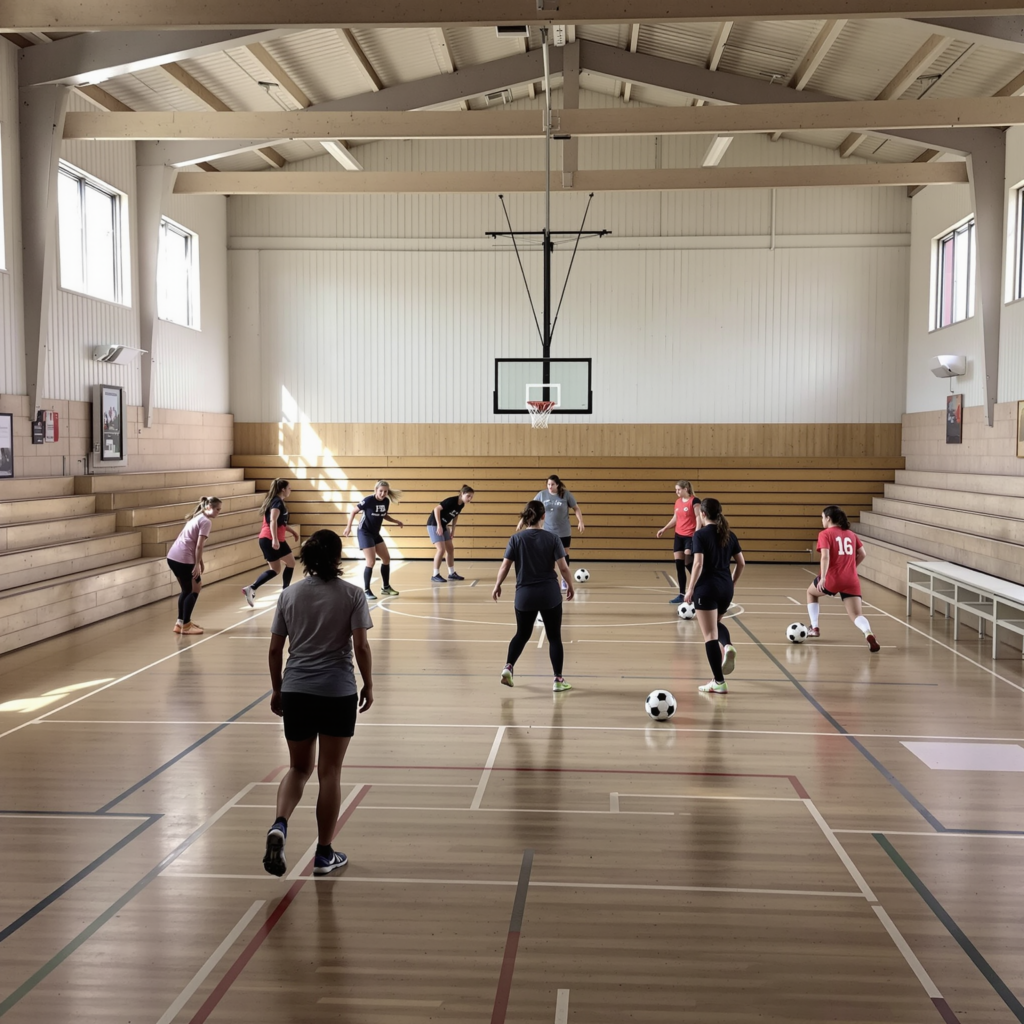
For programs based in villages not connected to Alaska’s limited highway network, every away game requires chartering or booking commercial flights, an expense that can strain school activity budgets already stretched thin. Athletic directors in these districts frequently consolidate travel by scheduling multiple games or tournaments during a single trip, reducing the number of separate flights a team needs but also compressing the season into fewer, more intense stretches of competition.
Weather adds another layer of unpredictability. Fog, wind and winter storms can delay or cancel flights with little notice, forcing teams to reschedule matches or, in some cases, forfeit them. Coaches describe planning trips with buffer days built in, understanding that a canceled flight can mean missing a scheduled competition entirely.
Fields, Gyms and Improvised Space
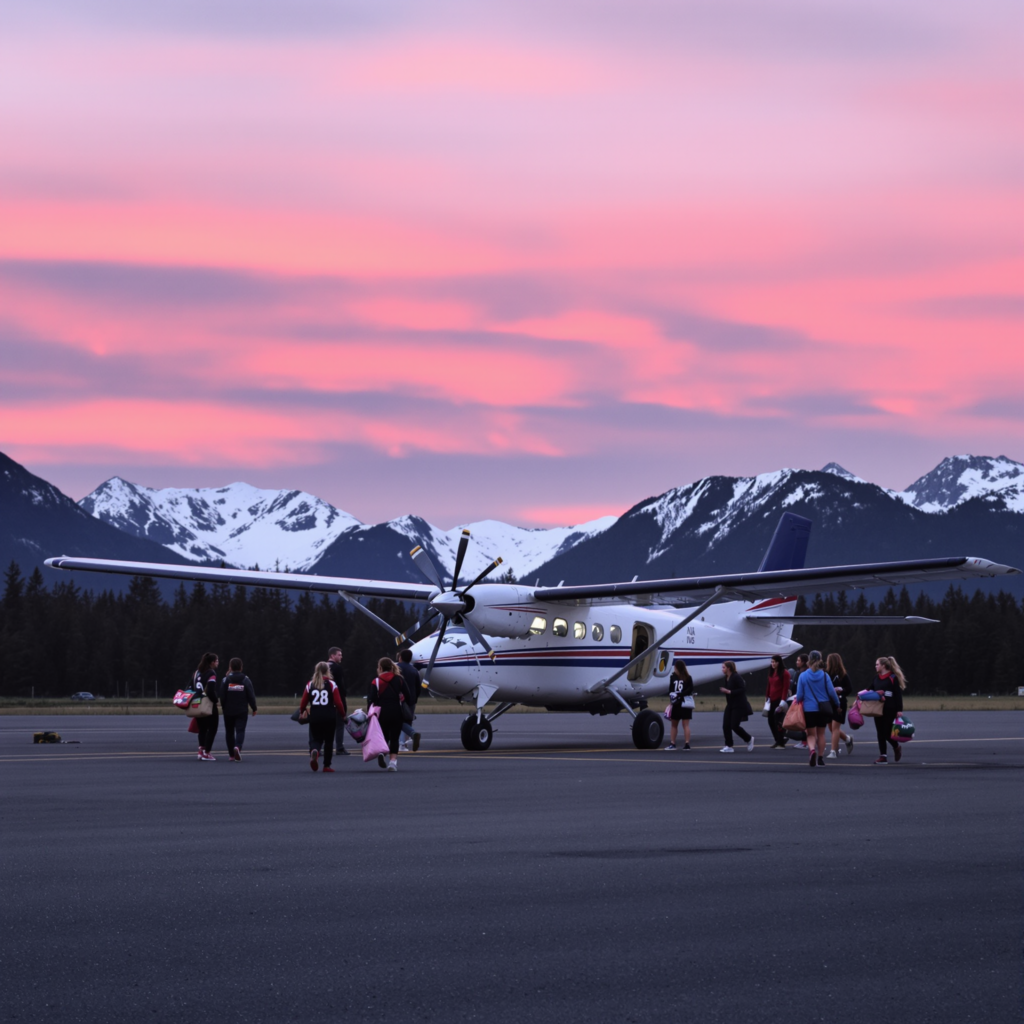
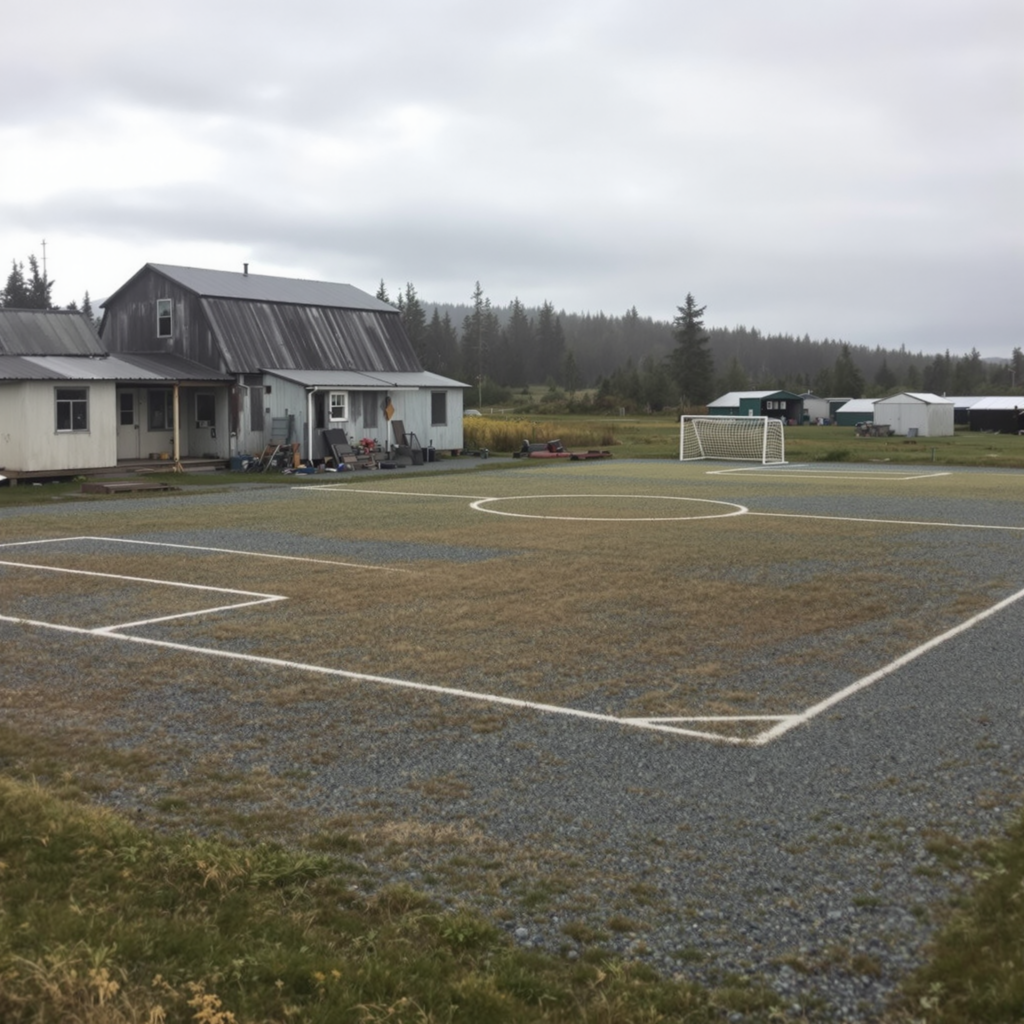
Where a program exists, the playing surface itself is often improvised. Some schools use gravel lots, tundra fields, or multipurpose grass areas shared with other community activities rather than fields built to soccer specifications. In communities where snow lingers into late spring or returns early in fall, outdoor practice windows can be short, pushing some programs to rely on school gymnasiums that were built for basketball, not for full-sided soccer play.
That mismatch between facility and sport shapes how teams train. Practices in gym spaces often emphasize smaller-sided drills, ball control and conditioning rather than the tactical, full-field work that programs with dedicated soccer fields can undertake. Coaches in these settings say the constraints require creativity in how skills are taught and how game preparation is structured heading into a short competitive season.
Coaching and Officiating Shortages
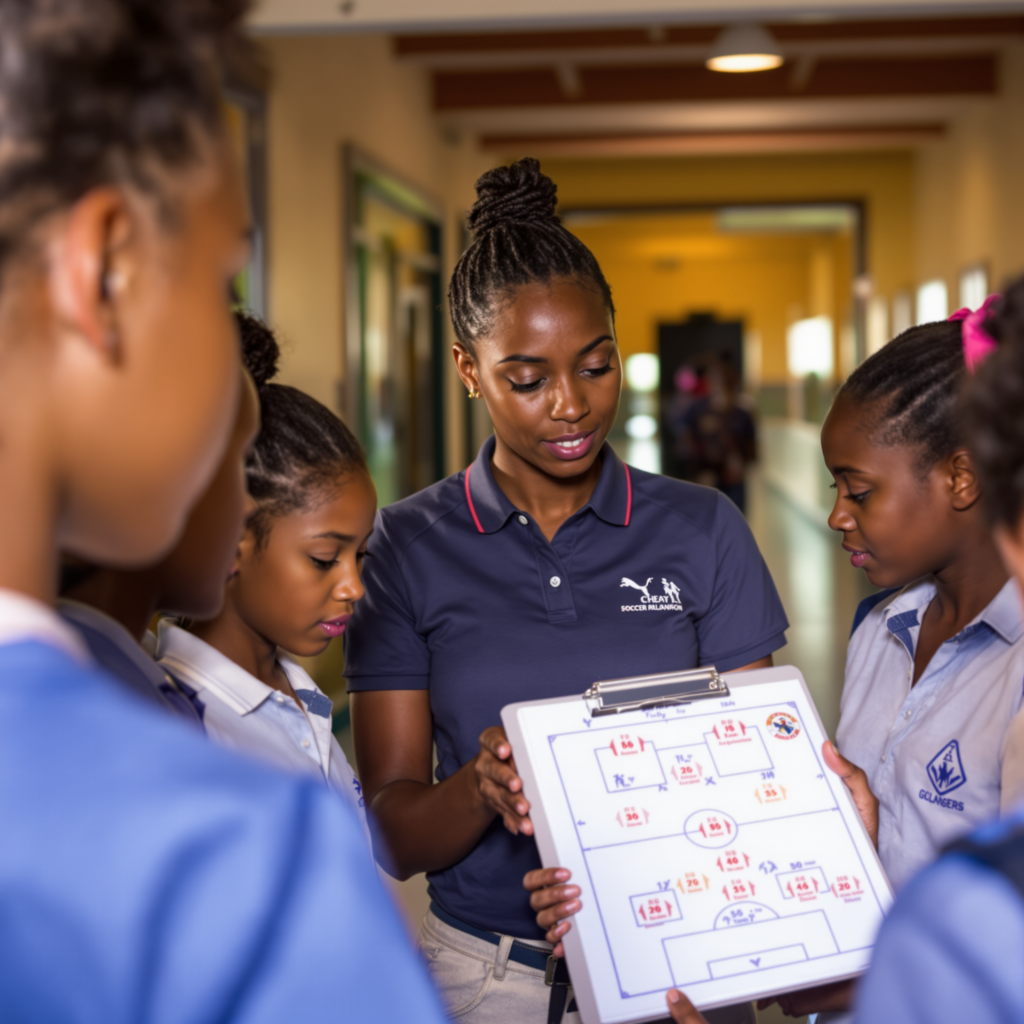
Beyond facilities, rural programs frequently face a shortage of coaches with soccer-specific training and a limited pool of certified referees. In small communities, the person coaching the girls’ team may also be teaching full time at the school, coaching another sport, or filling multiple roles within the athletic department out of necessity rather than specialization. Recruiting and retaining officials presents a similar challenge, since certification requires training that is not always available locally, and some contests are officiated by volunteers with limited formal preparation.
These staffing gaps are not unique to soccer, but they intersect with the sport’s growth in ways that shape how quickly a new program can mature. A team can be scheduled, funded and equipped, but without consistent coaching continuity from season to season, skill development can plateau, and turnover in coaching staff can disrupt team culture as much as any travel delay.
Growth Continues Despite Obstacles
Even with these constraints, girls’ soccer has continued to expand into Alaska communities that did not previously offer the sport, according to school officials involved in rural athletics. The appeal, they say, lies partly in the relatively low equipment threshold compared with sports that require more specialized gear, and partly in demand from students who want a team sport option beyond basketball and volleyball, which have longer histories in many rural districts.
The path to a fully established program, however, is incremental. Schools often begin with informal club-style play before moving toward sanctioned competition, building a track record that can help justify budget requests for travel, equipment and coaching stipends in future years. For many rural districts, the work of establishing girls’ soccer is less about a single decision to start a team and more about a sustained effort to secure the transportation, facilities and personnel needed to keep one running season after season.
As more communities take on that effort, the shape of rural Alaska soccer continues to be defined as much by geography and logistics as by the game itself.