Coaches and athletic directors across Alaska are discussing possible changes to the state’s high school soccer playoff format, a conversation that has grown more frequent in recent seasons as programs weigh how postseason brackets are structured and how teams qualify for state competition.
The discussion centers on how the Alaska School Activities Association organizes regional and state tournaments for boys and girls soccer, and whether the current setup fairly represents the state’s geographically dispersed school districts.
A Statewide Geography Problem
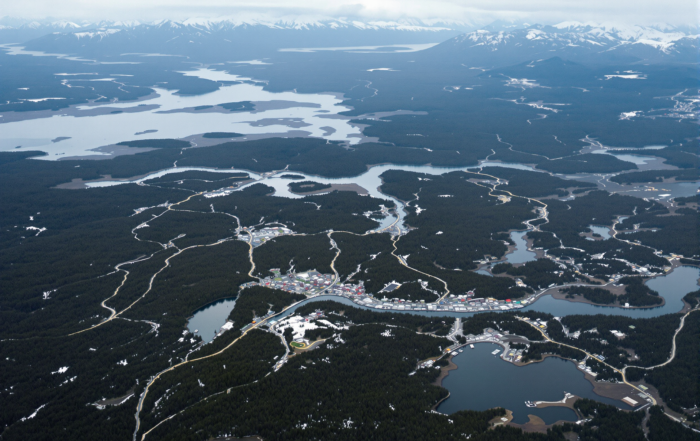
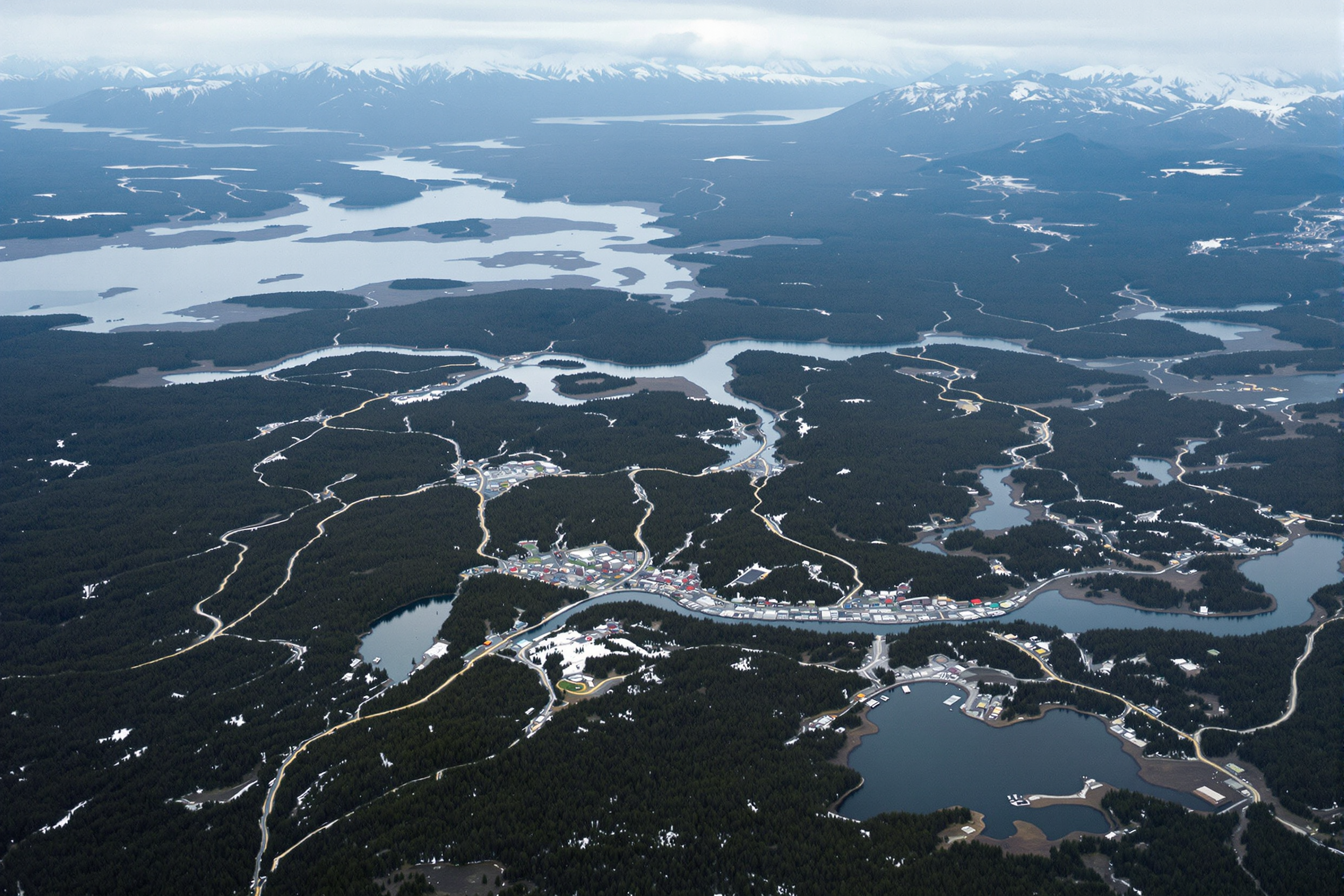
Alaska’s size and limited road network mean that many high school teams cannot simply drive to away games or postseason matchups the way programs in other states can. Travel for soccer teams based in Southeast Alaska, the interior and rural hub communities often requires charter flights or ferry transportation, adding cost and logistical complexity to any playoff schedule.

That geographic reality shapes much of the debate over playoff format. Coaches in smaller or more remote programs have said that bracket structures built around regional groupings do not always reflect travel realities, sometimes pairing teams that are hundreds of miles apart in early playoff rounds while leaving closer geographic rivals in separate brackets.
Classification and Competitive Balance
Part of the conversation also touches on how schools are classified for playoff purposes. Alaska divides its high schools into classifications based largely on enrollment size, a system used across most sports in the state. Soccer coaches have raised the question of whether soccer-specific factors, such as the number of programs fielding varsity teams in a given region, should play a larger role in how playoff fields are set.

Because soccer is not fielded by every high school in Alaska, some conferences have fewer teams competing for a limited number of playoff berths than others, a disparity that coaches say can make qualifying for state tournament play easier or harder depending on which region a team calls home.
Format Options Under Discussion
Among the ideas coaches and administrators have floated are adjustments to the number of qualifying spots allotted to each region, changes to how seeding is determined heading into the state tournament, and potential restructuring of regional groupings themselves to better reflect travel distances between member schools.
Other suggestions include expanding or contracting the overall size of the state tournament field, and revisiting how tie-breaking procedures and regular-season results factor into playoff seeding.

The Role of the Alaska School Activities Association
Any formal change to the postseason format would need to go through the Alaska School Activities Association, the governing body responsible for organizing high school athletics in the state, including regular-season scheduling rules and postseason tournament structures across sports.
The association typically considers proposed rule changes through its standard review process, which involves input from member schools, coaches associations and regional athletic directors before any new format would be adopted for a coming season.

What Comes Next
As of now, no formal proposal has been adopted, and the discussion remains at the level of informal conversation among coaches, athletic directors and school administrators. Whether specific changes move forward will depend on continued dialogue among stakeholders and whatever process the Alaska School Activities Association uses to formally review and vote on rule modifications.
For coaches in Alaska’s more remote communities, the outcome of that process carries practical stakes beyond competitive fairness. Travel costs, missed classroom time and player fatigue from long-distance postseason trips are all factors that shape how programs plan their seasons, and any adjustment to the playoff format would likely affect those logistics directly.
The debate reflects a broader challenge familiar to many Alaska high school sports beyond soccer: balancing competitive structure with the practical realities of organizing statewide athletics across one of the largest and least densely connected states in the country.